Research
I study how to generate medical images efficiently—and how to evaluate what these models actually learn.
Efficient synthesis
How can we generate high-resolution medical images with practical computational resources?
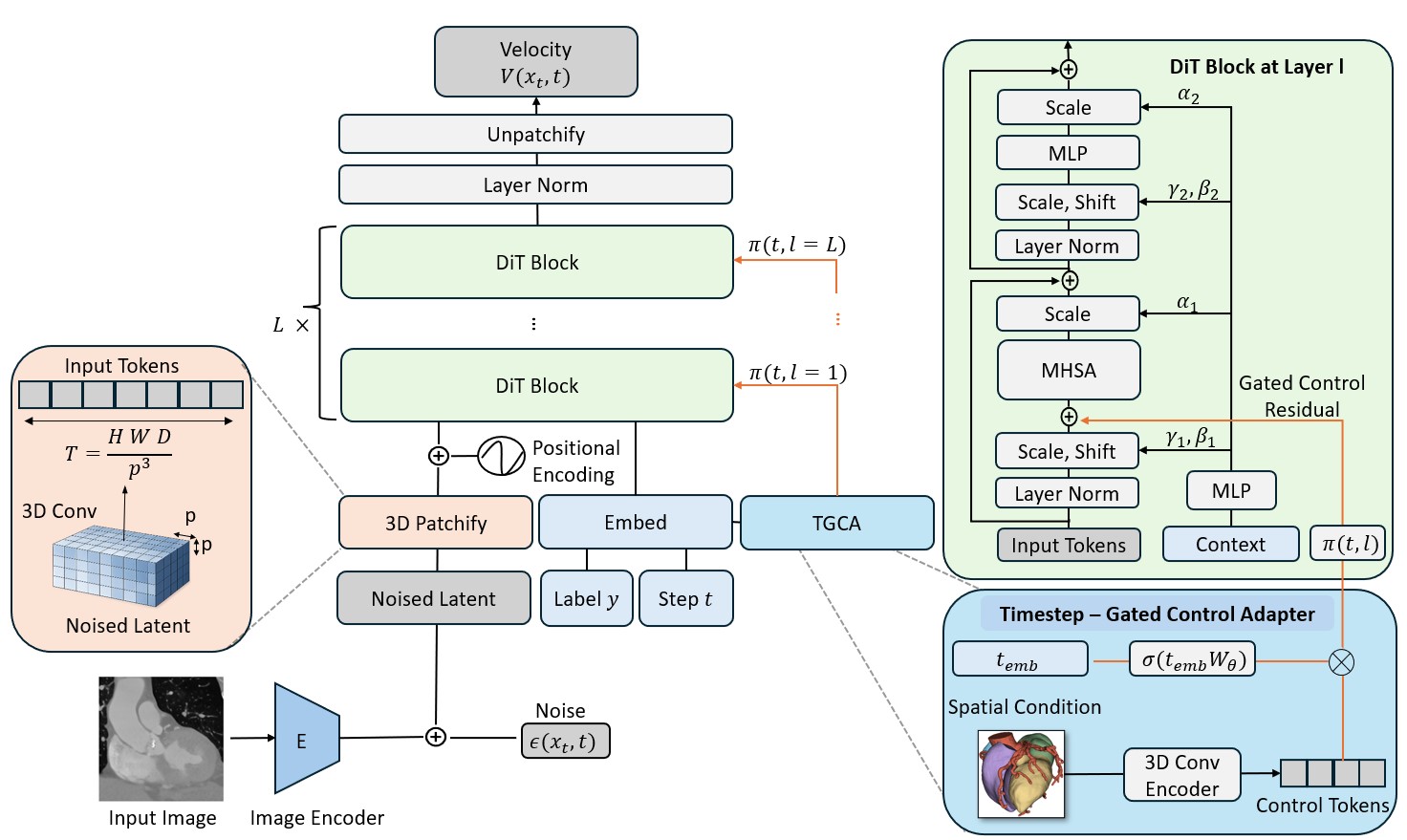
My work explores compact latent representations and diffusion models for 3D CT synthesis. Alongside image quality, I study the computational and environmental cost of training and generation.
Volume & time
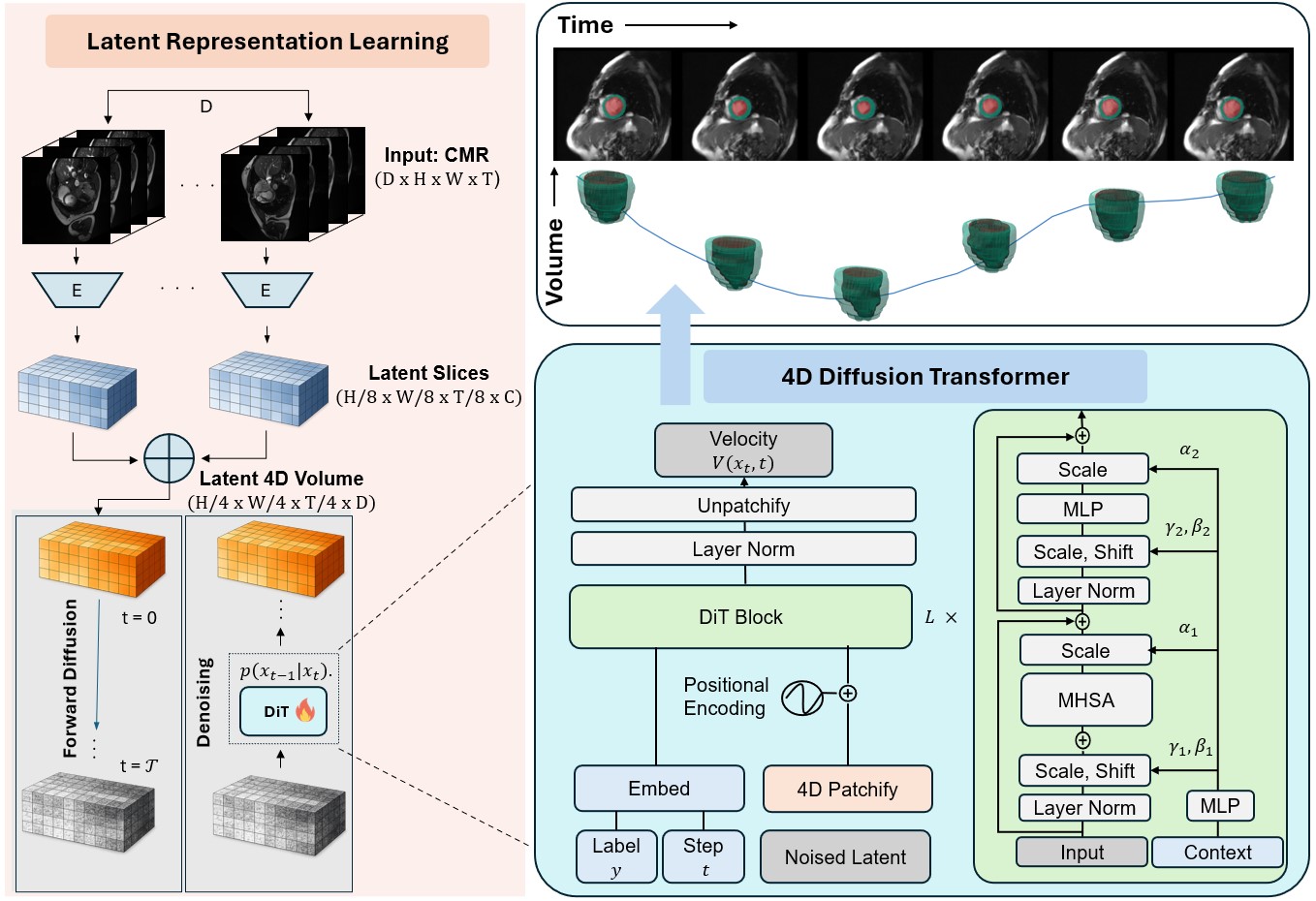
How can a generative model capture anatomy across both space and time?
I investigate diffusion transformers for controllable volumetric synthesis and joint 4D cardiac MRI generation, connecting spatial structure with temporal dynamics.
Evaluation beyond realism
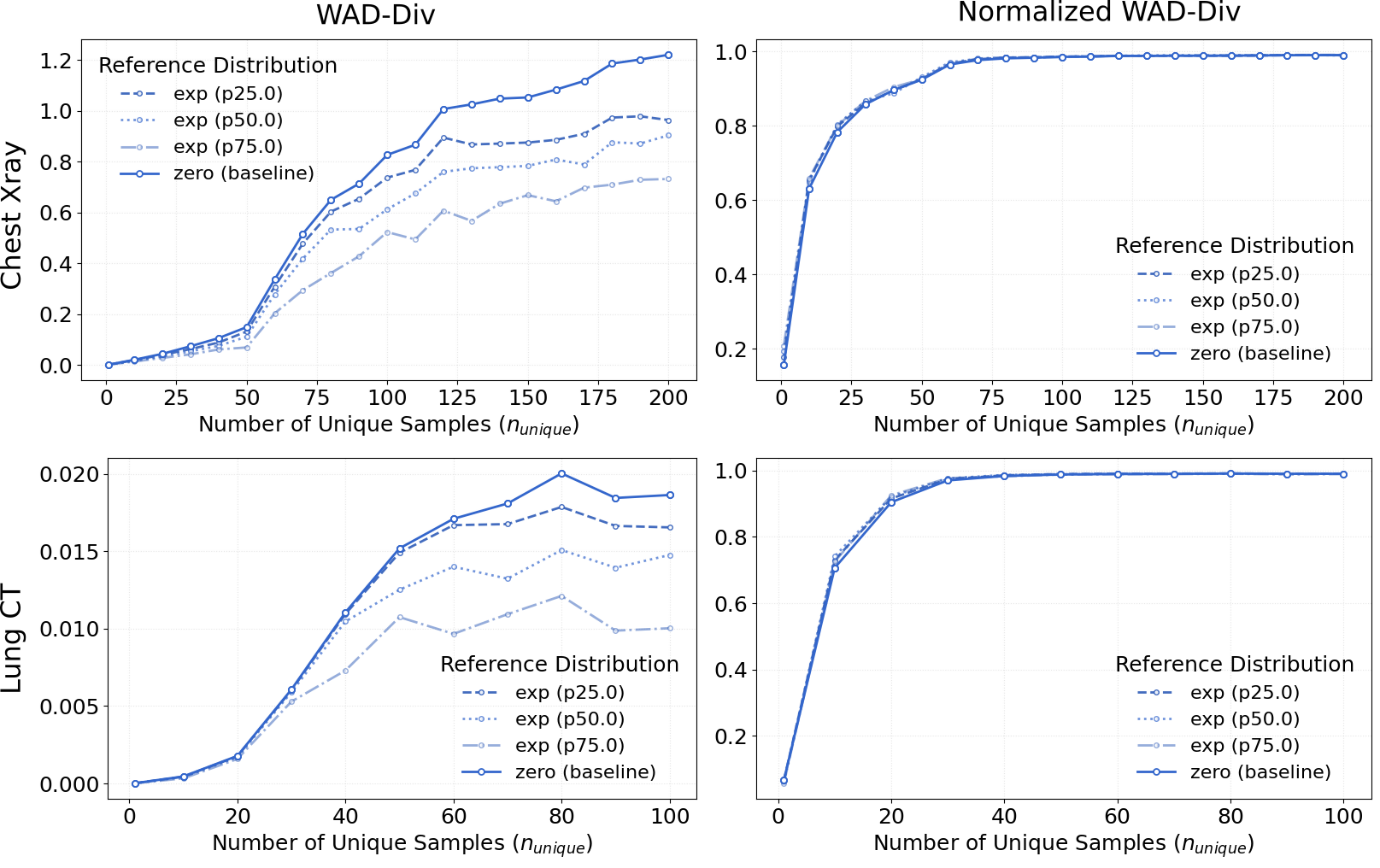
What makes synthetic data useful beyond looking convincing?
I study diversity, anatomical variability, and patient-data memorization. These questions help distinguish perceptual quality from the properties that matter when synthetic data is used in research.